How to Choose Unique Fantasy Display Pieces for Collectors
Last Updated: November 3, 2026
Quick Summary
Choose fantasy display pieces by checking surface detail, base stability, and whether the design has enough character to stay special on your shelf. Look for crisp edges on wings, horns, and facial features, and confirm the figure stands on its own. Match scale to your shelf space before buying.
Check for crisp edges on wings, horns, and facial features, since soft detail looks worse in person.
Confirm the figure stands on its own without hidden supports, and check its weight and balance.
Measure shelf depth and height, and leave at least an inch of clearance above tall wings and horns.
Ask how many pieces were made and whether the seller documents the edition run.
Keep pieces out of direct sun and heat, and handle them by the base or thickest body part.
Table of Contents
What Makes a Fantasy Display Piece Worth Collecting
Fantasy display pieces are collectibles that reward a closer look. A good one has clean detail, a stable base, and a design that still looks intentional under a shelf light. Collectors tend to care less about hype and more about whether a piece will still feel special after the unboxing. That shifts the buying question from "what's trending?" to "will this hold up on my shelf for years?"
At Carolina Printworx3D, we build our catalog around that second question. Our pieces range from dragons and figures to articulating prints and anime-inspired collectibles. For collectors, three traits matter most: surface detail that holds at arm's length, a base or stand that keeps the piece balanced, and a design with enough character to earn a permanent spot.
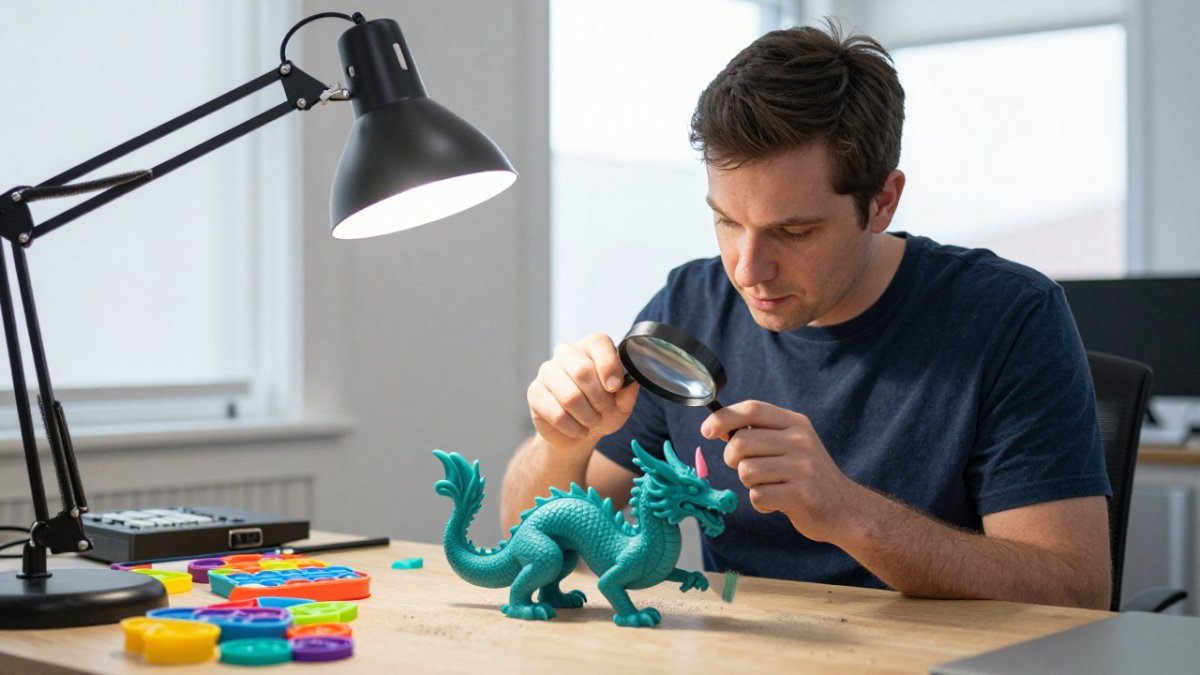
Start with the piece itself. Look for crisp edges on wings, horns, and facial features. Soft or blobby detail usually means a piece will look worse in person than in photos. Check the stance too. A figure that stands on its own without a hidden support reads as more finished, and it's easier to rotate for display.
Popular Fantasy Collectible Categories: Dragons, Elves, Fairies and Gnomes
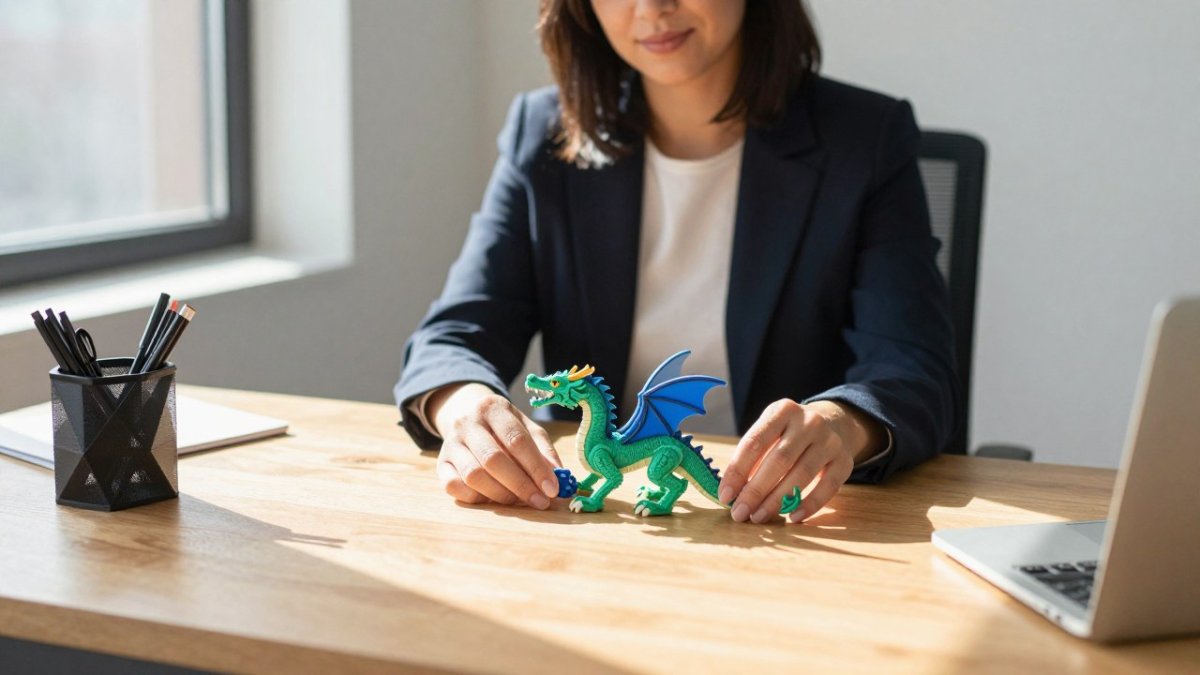
Dragons are a popular category among collectors. They can work as centerpieces and come in a range of poses.
Elves, fairies, and gnomes fill a different role. They are smaller and more personal, so they suit windowsills, bookshelves, and the corners of a workspace. Many collectors start with one of these categories and then expand into a themed grouping. A small fairy beside a dragon, for example, creates a scene that feels more like a story than a single object.
Think about scale before you buy. A dragon with a wide wingspan needs its own shelf space, while a gnome or fairy can sit in a crowded display without taking over. Mixing sizes within a category often looks more natural than lining up identical pieces.
3D-Printed Fantasy Figures vs. Hand-Carved and Resin Pieces
Materials shape both the look and the price of a fantasy figure. Hand-carved pieces offer unique texture and can be highly detailed. Cast resin pieces give smooth finishes and are common in mass-market collectibles. 3D-printed figures allow intricate designs.
The practical question is whether the detail and finish justify the price for your display. Ask whether the piece will be handled often or kept behind glass. Pieces that get handled need sturdier joints and surfaces that resist fingerprints.
Resin and printed pieces also differ in how they age. Keep any figure away from direct sun and radiators, regardless of material.
A collector-oriented comparison goes further than material names. Use these criteria when you assess any piece, whether it is printed, cast, or carved:
Surface detail at arm's length. Crisp edges on wings, horns, scales, and facial features separate a display piece from a toy. Soft or blobby detail usually looks worse in person than in photos.
Weight and balance. A heavier base and a low center of gravity keep a figure stable. A tall, light piece with a small footprint is easier to tip, especially on a high shelf.
Joint and assembly quality. Articulated joints should move smoothly and hold position without loosening. Multi-part pieces should fit without visible gaps.
Edition size and provenance. Limited runs and signed or numbered pieces carry more collector value than open-ended production. Ask how many were made and whether the seller documents the run.
Repair potential. Plan how you would handle a break before you buy, since thin wings, horns, and weapons are the most fragile areas.
Ask the seller for the specific material and finishing steps before you commit.
Scale and display space belong in the same decision. A dragon with a wide wingspan needs its own shelf run, while a gnome or fairy can sit in a crowded display without taking over. Measure your shelf depth and height before you buy a centerpiece, and leave at least an inch of clearance above tall wings and horns so the piece does not touch the shelf above. Mixing sizes within a category often looks more natural than lining up identical pieces, but keep the heaviest pieces on the lowest stable surface.
Standout Picks: Unique Pieces from Carolina Printworx3D
Our standout picks show how varied a collection can be. Our dragon lines, including the Crystalwing and Rose Dragons, give collectors a strong centerpiece option. For smaller displays, our fantasy figures and anime-inspired collectibles fill out a shelf without crowding it.
We also carry articulating prints for collectors who want movement on their display. Avoid forcing a joint past its natural range, since that is the most common way articulated pieces get damaged.
Browse the full range on our site to compare styles.
How to Display Collectible Figures for Lasting Impact
Good display makes a collection look deliberate. Start by choosing a shelf or cabinet with a clear back panel, since a plain backdrop makes details stand out. Group pieces by theme or color rather than spacing them evenly across the shelf. Leave some empty space so each piece has room to be seen.

Lighting matters more than most collectors expect. A warm LED strip placed above or in front of the shelf brings out surface detail and avoids the flat look of overhead ceiling light. Keep bulbs cool to the touch, and avoid direct sunlight, which fades paint and can warm and soften some materials over time.
Mix heights and depths. Place taller pieces toward the back and smaller ones in front so every figure stays visible. Rotate pieces occasionally so the display does not look static, and use a soft cloth or a small brush to dust them every few weeks. Dust that settles in crevices is harder to remove the longer it sits.
Caring for 3D-Printed Collectibles Over Time
Caring for 3D-printed collectibles is mostly about avoiding avoidable damage. Keep pieces out of direct sun and away from heat sources, since both can soften or discolor surfaces.
Handle figures by the base or the thickest part of the body. Thin wings, horns, and weapons are the most fragile areas and the first to snap. If a piece has articulated joints, move them slowly and check that they return to their resting position without strain.
Store spare pieces in a cool, dry place with some padding. Acid-free tissue or a soft cloth works well for wrapping. Stacking figures directly on top of one another invites scratches and pressure damage, so give each piece its own space whenever possible.
The article's care advice comes down to a few practical habits worth comparing at a glance.
Care area | What to do | Why it matters |
Sunlight and heat | Keep away from direct sun and heat sources | Heat can soften or discolor surfaces |
Handling | Hold by the base or thickest body part | Thin wings, horns, and weapons snap easily |
Articulated joints | Move slowly; check they return to rest | Avoids strain on the joints |
Storage | Cool, dry place with padding | Protects against scratches and pressure |
Wrapping | Acid-free tissue or soft cloth | Gentle protection for spare pieces |
Buying Smart: Budget, Originality and Avoiding Risks
Set a budget before you start browsing, and structure it in tiers rather than as a single number. A common pattern among collectors is to split spending into an entry tier for small figures and accessories, a mid-range tier for a single centerpiece, and a premium tier for limited or custom work. Pricing depends on quantity, dates, and delivery, so decide a range you are comfortable with and compare within it. For current prices and custom quotes, visit the Carolina Printworx3D website or contact us directly.
Originality is worth paying attention to. A piece that reflects a specific theme or personal favorite will hold its appeal longer than one bought only because it is popular. Ask whether the seller offers limited editions or custom work, and get the edition size and production timeline in writing.
Watch for a few common risks, and treat each as a checklist item rather than a gut feeling:
Blurry or reused product photos. Ask for additional angles, a close-up of the base, and a photo next to a ruler or common object so you can judge scale.
Vague material and sizing descriptions. Confirm the material, dimensions, and weight before you buy.
Shipping damage. Thin wings, horns, and weapons are the most fragile areas in transit. Ask how the seller packs multi-part pieces.
Payment and return terms. Know the return window and who pays return shipping before you order.
Space planning belongs in the buying decision, not after it. Measure your shelf depth, height, and weight capacity first, then compare those numbers against the piece's dimensions. Leave clearance above tall wings and horns, keep heavy pieces on lower stable surfaces, and reserve a dedicated spot for any centerpiece so it does not crowd smaller figures.
If anything is unclear, ask before you buy. A seller who can describe the piece clearly, provide dimensions, and explain the material and finish is a better bet than one who cannot.
Start Building Your Fantasy Display Shelf Today
Building a fantasy display collection works best one piece at a time. Start with a centerpiece you love, add a few smaller figures that complement it, and expand as your shelf and budget allow. Keep your display lighting and care habits in mind from the start so your collection stays sharp for years.
Ready to begin? Browse our Crystalwing Dragons, Rose Dragons, and the full Carolina Printworx3D range to find pieces that fit your shelf. Join our collector community today and start building a display that feels like your own.
Frequently Asked Questions
What are the most popular fantasy collectibles for display?
Dragons remain the most requested fantasy display pieces, followed by elves, fairies, gnomes and pixies. Collectors often pair a single statue with a shelf of smaller figures to build a scene. Carolina Printworx3D offers a range of fantasy products, and pricing depends on quantity, dates, and delivery. Visit the website for current prices or a quote before you plan a display.
What makes a fantasy display piece valuable to collectors?
Collectors usually look for detailed design, a finish that holds up to handling, and a piece that stands out from mass-produced décor. Well-proportioned figures also add appeal. Value is subjective, so choose pieces that match the scenes and themes you enjoy displaying rather than chasing resale price alone.
How do you display fantasy figures without damaging them?
Keep figures out of direct sunlight, which can fade paint and warp some plastics over time. Use a sturdy shelf with a secure base, and avoid stacking heavy pieces on top of delicate ones. Dust gently with a soft brush every few weeks, and keep pieces away from heaters and humid bathrooms.
How do you clean and maintain 3D-printed collectibles?
Dust regularly with a soft brush or microfiber cloth. For deeper cleaning, use a slightly damp cloth with mild soapy water and dry the piece fully before returning it to the shelf. Avoid harsh solvents, which can damage the surface finish of printed resin and plastic pieces.

Comments